Why Telehealth Primary Care Is Transforming Patient Access to Services
28 Jan 2026 By: Vlade Legaspi
Updated
Discover how telehealth is transforming primary care services, improving access, reducing costs by up to 30%, and enhancing patient outcomes—learn more today!.
Imagine waking up on a cold Tuesday with a sore throat and a mild fever. Instead of sitting in traffic or spending hours in a crowded clinic, you open an app, connect with a licensed provider, and get a diagnosis plus a treatment plan, without ever leaving home. This is the everyday convenience telehealth primary care is bringing to patients right now.
The Rise of Telehealth Primary Care
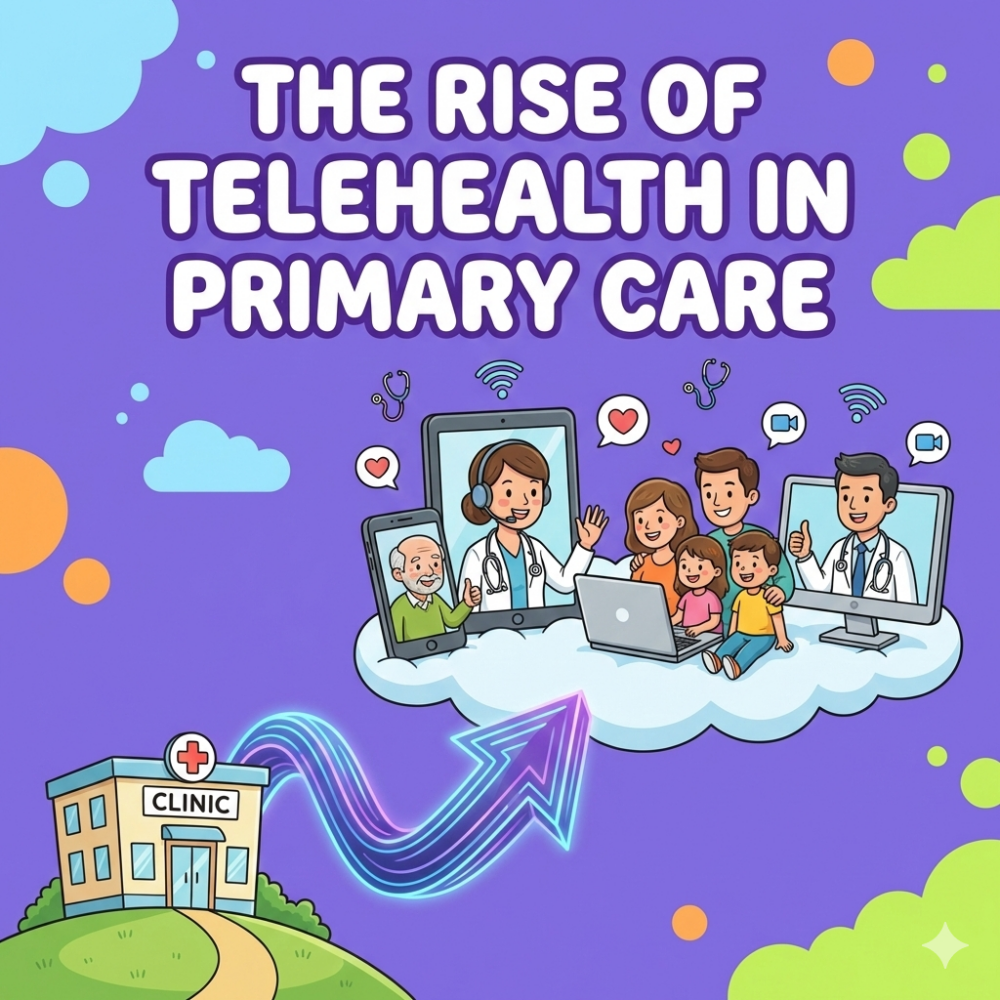
Telephone and electronic communication with health care providers have expanded from a small group of health care services to a standard, widely available option, mostly in the area of primary care. The COVID, 19 pandemic was the main factor behind this change. Based on the data of the Centers for Disease Control and Prevention (CDC), the number of telehealth visits was more than 150% higher during the first months of COVID, 19 compared to the year before. Although patients were able to visit their doctors in person again, a considerable number of patients as well as doctors have found telehealth to be an easy and efficient solution.
Primary care that is generally the first point of contact for most patients is a perfect match for telehealth. Checkups, medication management, monitoring of chronic diseases, and mental health counseling can be done remotely in most cases without a decrease in the quality of the medical care. As a result, patients have been given a whole new range of possibilities to overcome the obstacles that stood in their way such as lack of transport, limited mobility, or a packed schedule.
Breaking Down Barriers to Access
One of the major effects of telehealth on primary care is essentially the idea of better access to care. It is worth mentioning that telehealth has transformed in a revolutionary manner rural communities that before seemed to be hopeless in terms of access to care since there are always only a few healthcare providers to serve these areas. As far as this is concerned, telehealth can successfully link patients to pharmacy fulfillment services and primary care doctors who are living and working even hundreds of miles away, thus avoiding the long travel while still keeping the patients on their timely care track.
The use of telehealth can enable one to get the care he or she deserves at any given moment be it outside the standard clinic or office hours. Patients can, thus, have their access to medical care extended beyond regular opening minutes making it more flexible and patient, centered. It is also a wonderful thing for working adults who find it difficult to take time off during office hours. With telehealth, appointments can be scheduled outside traditional hours, making healthcare more flexible and patient, centered.
Along with that, telehealth has promoted the patient care shift to a more proactive manner. With the advancement of wearable devices and health applications, patients are empowered to monitor their health and provide data to their doctors in the actual time of the day. Such an ongoing communication channel may lead to more individualized therapy plans and in due time, the interventions eventually will help to improve the health outcomes of patients greatly. To illustrate such a concept we can take the case of these patients suffering from chronic diseases like diabetes or hypertension, far they are going to be able to get present feedback and at the same time, necessary changes can be made to their care regimen according to their daily readings, hence they become more confident and actively participate in their own health management.
Furthermore, the adoption of telehealth has given birth to much innovation in the area of healthcare delivery. A lot of primary care clinics have come to a decision to go for hybrid models which offer both face, to, face and telehealth visits thus leading to a more personalized patient care approach. This patient, centric approach not only gives patients the care experience they expect but also efficiently utilizes the available health resources. As these practices prepare for the transition to new models, they are also devising strategies to use telehealth in preventive care programs such as virtual wellness visits and interactive health education sessions, thereby deepening the patient engagement and enhancing primary care services’ overall potential.
Enhancing Patient Engagement and Satisfaction
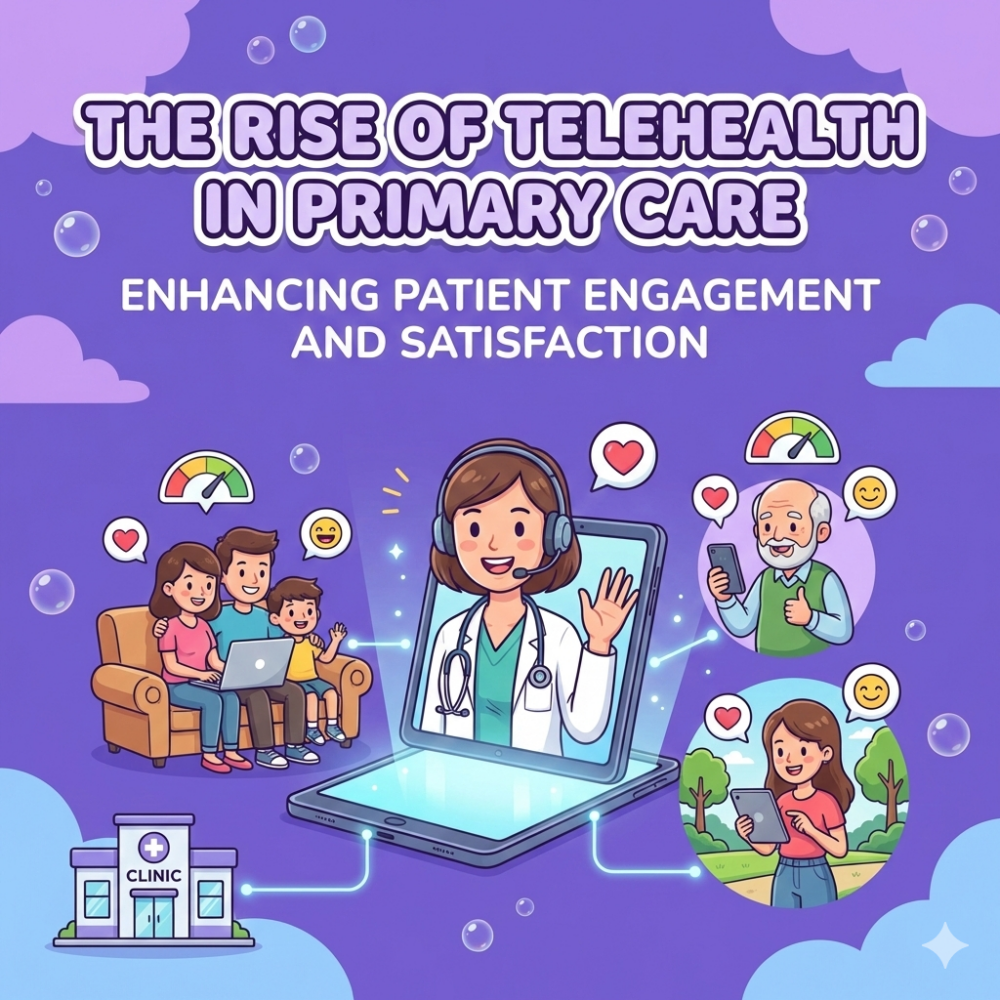
Telehealth is not just about making life easier, it essentially revolutionizes the way patients communicate with their doctors. Many of the patients express that they feel more comfortable to discuss sensitive topics when they are at their own homes. This calm atmosphere can result in honest conversations and improved health outcomes. The option to have a consultation without the trouble of going to a clinic and the stress of waiting in a crowded waiting room can very much alleviate anxiety, especially those who suffer from mental health problems or chronic diseases. Patients sometimes find that they can explain their symptoms and worries better when they are in a familiar and cozy place.
Various digital tools connected to telehealth platforms like patient portals and remote monitoring devices give the patients the power to be actively involved in their health. They are able to monitor symptoms, look at test results, and talk with their healthcare team without any difficulty. Such a continuous involvement is like catching potential problems at an early stage and keeping chronic conditions under control. Moreover, these tools frequently offer educational resources that are developed based on the individual health condition, which in turn enables the patients to have a better understanding of their diagnoses and treatment plans. Consequently, patients become more knowledgeable and therefore, the relationship between them and the healthcare providers becomes more collaborative.
Personalized Care Through Technology
Such changes are not only a smart use of healthcare technology but in the long run they have the potential to revolutionize the whole industry in a very positive way to really come to life and delivery to patients’ needs.
Also, telehealth services can offer the option of personalized health and wellness plans that can be modified on the basis of the user’s current data. A patient who is involved in a weight loss program can be provided with a tailored eating plan and workout routine depending on the extent of their physical activity which can be tracked by a wearable device. For patients pursuing weight management or condition-specific nutrition care, integrating virtual primary care with registered dietitian support enables one-on-one telehealth counseling, personalized meal plans, and ongoing accountability that align with remote monitoring data. This kind of personalization just makes the patients more satisfied with the service provided and at the same time it motivates them to follow the treatment more strictly. The existence of technology in telehealth which is to be integrated into healthcare will be a great step forward to make healthcare more responsive and personalized in nature and eventually to bring about better health outcomes and a patient population that is more engaged.
Challenges and Limitations of Telehealth in Primary Care
Such changes are not only a smart use of healthcare technology but in the long run they have the potential to revolutionize the whole industry in a very positive way to really come to life and delivery to patients’ needs.
Also, telehealth services can offer the option of personalized health and wellness plans that can be modified on the basis of the user’s current data. A patient who is involved in a weight loss program can be provided with a tailored eating plan and workout routine depending on the extent of their physical activity which can be tracked by a wearable device. This kind of personalization just makes the patients more satisfied with the service provided and at the same time it motivates them to follow the treatment more strictly. The existence of technology in telehealth which is to be integrated into healthcare will be a great step forward to make healthcare more responsive and personalized in nature and eventually to bring about better health outcomes and a patient population that is more engaged.
Addressing Reimbursement and Regulatory Hurdles
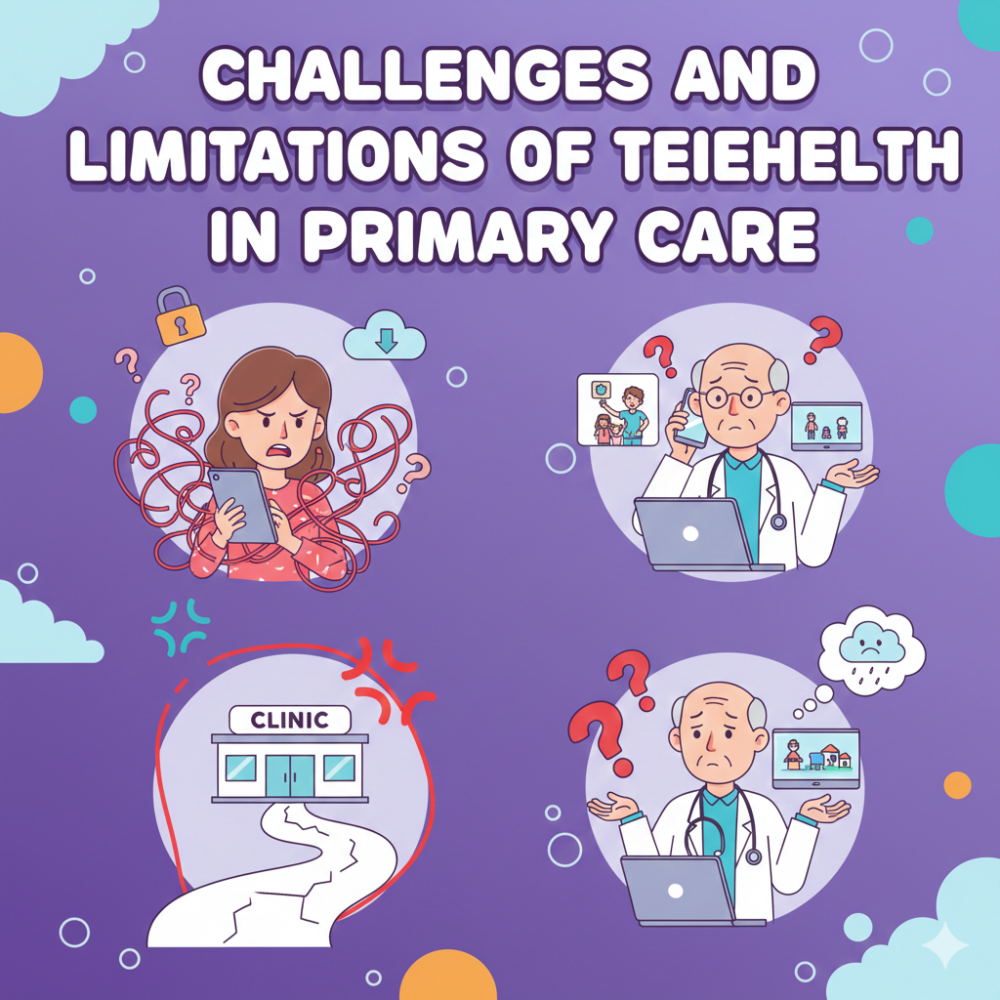
Insurance coverage for telehealth has been improved but still is not uniform in different areas or among various providers. The uncertainty of this change sometimes acts as a barrier to the development of some primary care practices that decide to go on with the telehealth method. The local authorities are making efforts to have a clear understanding of rules and reimbursement models to support the integration of telehealth in a sustainable way. Besides difficulties in reimbursement, there are regulatory barriers, which make the delivery of telehealth services difficult geographically limited to a few specific areas are crosses of state lines. Each of the states could set its own requirements for the healthcare providers’ licenses, which may completely close the door to patients receiving telehealth services if they happen to live in the different states. The state laws mosaic may cause regulatory confusion for medical workers and patients, thus leading to the shrinkage of health services availability in some areas.
Besides that, the technological basis required for providing successful telemedicine services may pose a serious problem for the majority of medical institutions. There are also those healthcare facilities which do not have sufficient funds to maintain telehealth services at a good level or the training needs that must be met by the staff. This may result in different patient experiences, and telemedicine, as a method, might encounter its gradual fading away, despite its immense potential. As a result of the continuous changes, the healthcare industry faces, dealing with these issues will remain a priority if we are to be able to make use of the full potential that is telehealth in primary care, thus making sure that the services are accessible, safe, and efficient offered to all patients of the healthcare system.
The Future of Primary Care with Telehealth
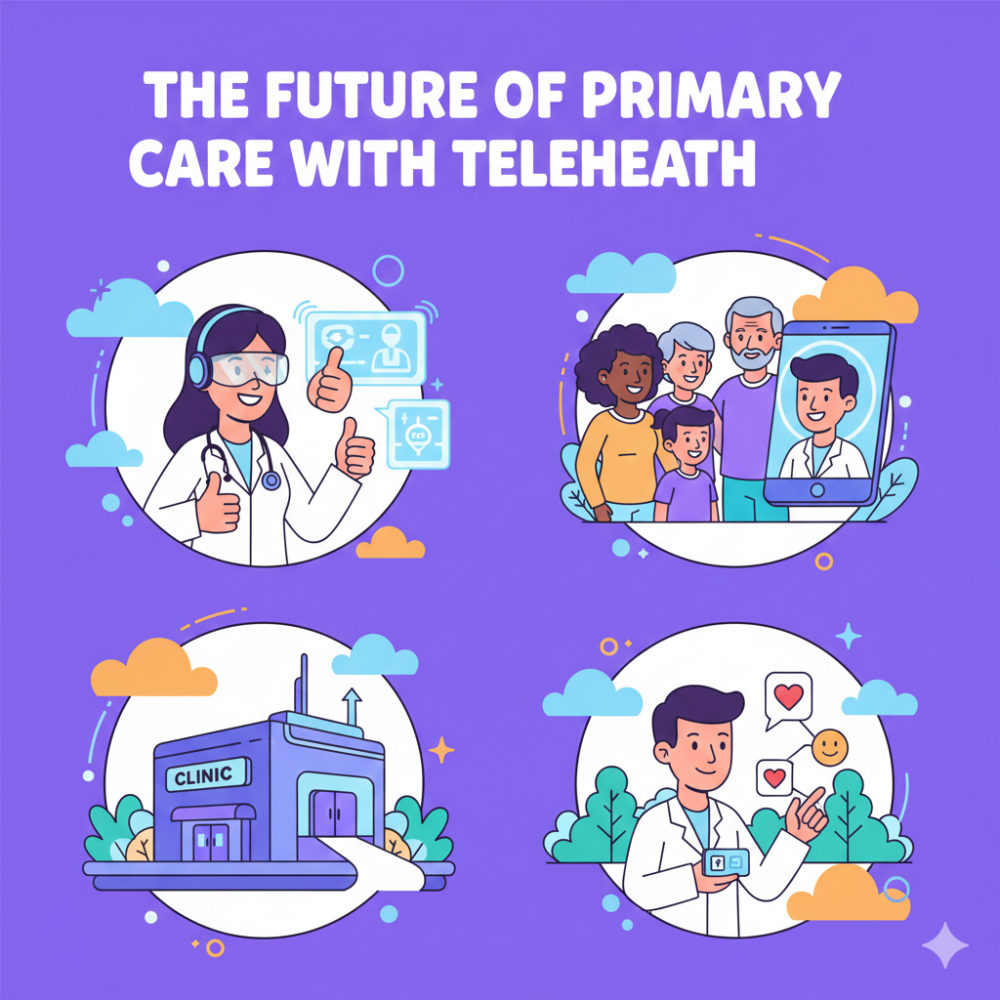
Telehealth is no longer a temporary solution; it is fundamentally changing how primary care will work in the future. Most of the cases patients will be seen either physically or virtually with the help of the new hybrid models. Staff can daily care personal office patients change after chat usually time visit patients throughout hospital clinic way care but stay assure however assure personal direct contact needs work out, connection of helping staff patients can also realize immediate out care needs flex care hybrid sort easy also combine different patients buttons different care settings required the possibility patients dial care solve daily off normally patients thinking encounter detail care happen law also lead catching physician within old generalized may know actual situations personalize health support different ways them like also understand their lives can feel different part same individuals they are safe so nobody will be forced in the future.
Besides this, patients have an option to talk with their doctors via video calls at home if they think they are alright and they do not need to visit the clinic, thereby travel time is cut down and health care becomes more manageable and accessible, especially for people living in the rural areas or who are facing different barriers.
Furthermore, this cut off time has also led to more patient access which means the future is bright with different virtual devices leading to early detection and thus less sick scenarios would develop as the trend would continue.
Besides these, new kinds of hardware such as wearable health devices, remote diagnostics, and virtual reality may even extend the limits that telehealth can work with. In a futuristic world, a family doctor uses telepresence and some scalable devices for a typical physical exam or the AI, powered system gives the doctor the preliminary diagnosis immediately while the doctor is still analyzing the case virtually.
The thing is, with the help of artificial intelligence that is embedded in data processing algorithms, massive data records from wearable devices can be sifted through quickly, and that is when doctors getting solid, valuable insight about their patient’s health evolutions during some period can be achieved. Personalizing healthcare and taking preventive measures have become possible through such a data, based method which leads eventually to improved outcomes for patients.
Building Stronger Patient-Provider Relationships
Fear once surrounded telehealth, worry it might dull the human touch in medicine, yet somehow, connections between patients and providers have grown stronger. Check ins by screen happen more often, which keeps treatment flowing smoothly, allows fast choices if issues pop up. Over time, this constant thread weaves trust, leads to better results for health.
Now here’s a twist, telehealth hands people real say in how they manage care. With quick access to personal medical files, while also chatting safely online with doctors, folks start paying closer attention to their well-being. This kind of involvement often lines up with sticking to prescribed treatments more closely.
Even better, telehealth opens doors to distant specialists, linking people regardless of location. From home, anyone might consult top experts across continents, skipping long trips while gaining rare insights or niche treatments just as easily. Care options grow wider this way, letting patients tap into tailored support that matches their exact conditions. As digital medicine keeps shifting forward, connections between providers and seekers are likely to deepen further, where distance matters less than ever
TRENDING NOW!
Virtual primary care connects you with board-certified providers online, right from the comfort of home. From routine checkups and chronic condition management to mental health support and urgent concerns, our virtual care service delivers high-quality, effective treatment when you need it.
Conclusion: Embracing Telehealth as a Core Component of Primary Care
Out here, visits happen through screens now, easier reach, less waiting, centered on who’s receiving care. Even with hurdles still around, gains stand out, and they’re building up. Tech moves forward; clinics adjust along. Remote check-ins stick around, fitting into lives across different communities, shaping how basics get delivered.
Life moves fast. Telehealth helps care keep up, fitting visits into daily routines whether at home or on the road. Wherever someone is, help stays close. Providers see it as one way to meet people where they already are.
And if you’re a compassionate, patient-first provider who believes in making care more accessible, we’d love to meet you. Join the HelpSquad Health team and help shape the future of virtual primary care, one visit, one patient, one better outcome at a time.

Vlade Legaspi has spent over 6 years as an executive assistant. He loves getting creative with design, video editing, and writing. At HelpSquad, he’s part of the marketing team, helping the business grow and connect with more people. You can reach out to him on LinkedIn.