Less Paper, More Paws: Taming the Administrative Beast with a Veterinary Virtual Assistant
27 Mar 2026 By: Maria Rush
Updated
A veterinary virtual assistant (VVA) is a remote professional who handles clinic administration like scheduling, medical records, and client communications. They work from a remote location and sync directly with your practice management software (PIMS). This setup allows your on-site team to focus entirely on patient care.
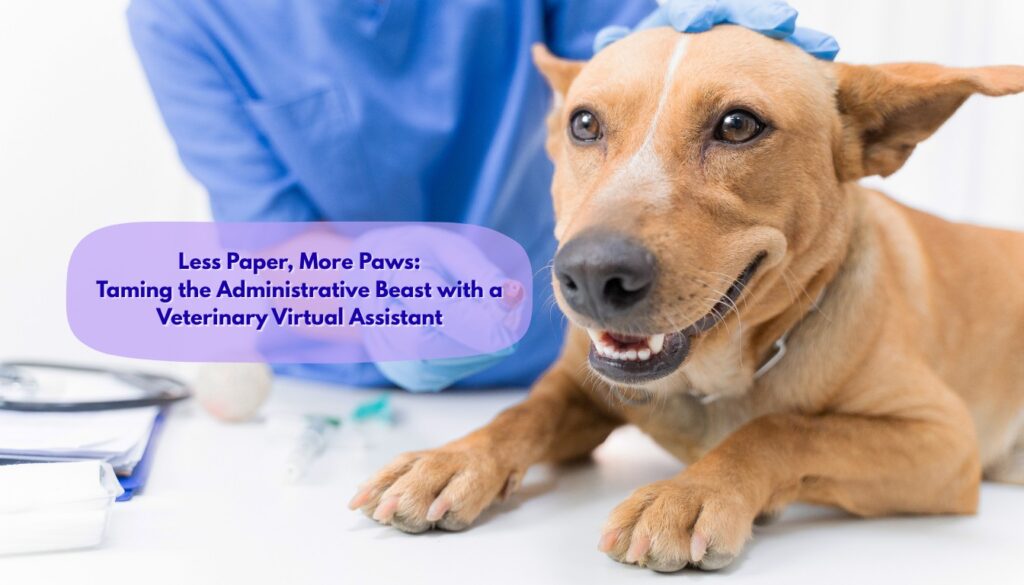
I have two cats, so I spend a lot of time keeping track of vet visits. Dealing with late night emergencies are stressful. But even the routine stuff like vaccinations and deworming feels like a lot to manage. My biggest headache is usually just getting an appointment on the calendar. I often can’t reach the clinic at all once they’ve closed for the day. It is clear the staff is stretched thin. When those phones go unanswered, fur parents are left stuck.
Most veterinary professionals did not choose this career to manage spreadsheets or fight with insurance claims. They did it because they love animals. But right now, many veterinarians spend more time acting as administrators than as doctors. Staff shortages and high client expectations mean the administrative load is a major cause of burnout in the industry.
The 2026 Administrative Crisis in Veterinary Clinics
The veterinary industry looks very different in 2026. “Hybrid Care” approach becomes more common.
A 2026 Federation of Veterinarians (FVE) survey recently highlighted how serious this crisis has become. Clinics are overwhelmed by paperwork and digital inquiries. This does not just tire out your team. It actively costs you money.
Data from the 2026 Pet Parent Research Report shows that clinics often lose clients before they even arrive. Modern pet owners want fast replies and simple booking. If your staff is too busy with files to answer the phone, that client will likely call a different clinic. This “booking friction” is a significant threat to independent practices.
What does a Veterinary Virtual Assistant do?
A veterinary virtual assistant is more than just a remote receptionist. They handle the tasks that usually keep your technicians and doctors stuck at a desk. When you move these responsibilities off-site, your team can stay in the exam room.
1. Scheduling and Appointment Management
A veterinary virtual assistant manages your calendar in real time. They take booking requests, handle cancellations, and call clients to fill empty slots. This keeps your clinic busy without overwhelming the front desk staff.
2. Client Follow-ups
Proper care requires consistent communication. A virtual assistant can call owners to check on a pet after surgery or send reminders for upcoming vaccinations. This personal touch builds trust and ensures animals get the follow-up care they need.
3. Medical Record Updates
Manual data entry is a massive time sink. A veterinary virtual assistant can transcribe notes and update patient histories within your PIMS. This ensures records are accurate and ready for the next visit. Veterinary virtual assistants help maintain this clinical flow without needing physical space in your office.
4. Billing and Insurance
Handling payments and pet insurance is a complicated, daily chore. A veterinary virtual assistant manages billing and claims processing. This keeps your cash flow steady and saves your staff from long phone calls with insurance providers.

These are my cats btw, both rescue babies. They hate going to the vet. But sometimes, it’s just necessary.
Comparing Hybrid Staffing to Traditional Hiring for Vet Clinics
Hiring full-time, on-site staff is expensive. You have to pay for office space, benefits, and equipment. For many independent practices, those costs are hard to justify. But the cost of missing calls is even higher.
| Metric | Traditional On-Site Staff | HelpSquad Hybrid Model |
| Availability | Usually limited to office hours | 24/7 or custom hours |
| Missed Call Rate | 20% to 30% on average | Near 0% with dedicated support |
| Overhead | High (Space, Tech, Benefits) | Low (Fixed hourly or per-task) |
| Scalability | Hard to change quickly | Easy to scale up or down |
On average, clinics miss 20% to 30% of calls during business hours. Research shows that 68% of unanswered calls from pet owners will call a different clinic instead of leaving a message. For a typical three-doctor practice, the cost of these missed opportunities can exceed $100,000 every year.
A hybrid model solves this by using part-time customer service agents or dedicated virtual assistants. You get the coverage you need without the full-time salary. You only pay for the help you use.
Why HelpSquad is the Right Partner for Your Clinic

HelpSquad understands that your veterinary practice requires accuracy and empathy. We provide specialized support to keep your clinic running efficiently:
- Virtual Assistants: These professionals handle the general administrative load, such as managing emails, coordinating with suppliers, and organizing internal documents.
- Virtual Receptionists: They act as the first point of contact, answering calls instantly, answering common questions, and guiding pet parents through the booking process.
- Part-Time Customer Service Agents: If your clinic only struggles during “rush hours” or specific seasons, these agents provide flexible coverage so your team isn’t overwhelmed.
- Virtual Medical Assistants: They support the clinical side by updating PIMS records, transcribing veterinarian notes, and ensuring patient histories are accurate.
- Medical Billing and Claims Processing: We take over the headache of insurance pre-authorizations and payment processing to keep your cash flow steady.
Conclusion: Balancing Efficiency and Care
Switching to a hybrid staffing model is a practical move for clinics in 2026. By bringing a veterinary virtual assistant onto your team, you stop the paperwork from piling up and help prevent staff burnout. This simple change will your team get back to their real mission: providing great medical care to animals.

HelpSquad is a leading US-based provider recognized as a 2026 Top Virtual Assistant Company by Clutch. With the right support, you can fix your clinic’s operational issues and focus on the work that matters. Talk to us.
Frequently Asked Questions
What is a veterinary virtual assistant?
A veterinary virtual assistant is a remote professional specialized in the veterinary industry. They handle administrative, clerical, and client-facing tasks that do not require physical presence in the clinic.
What specific clinical tasks can I offload besides answering phones?
Beyond phone support, you can offload prescription refill coordination, laboratory result entry, medical record auditing, and the management of insurance pre-authorizations.
Can a virtual assistant actually use my specific practice management software (PIMS)?
Yes. Modern veterinary virtual assistants are trained to work within various PIMS platforms. They access your system securely via a remote connection, allowing them to update records and schedules in real time just like an on-site employee.
How do you ensure that my clinic’s patient and client data remains secure?
HelpSquad employs rigorous security protocols, including encrypted connections and strict data handling policies. We ensure that all virtual assistants are trained in privacy standards to protect your practice and your clients.
Why should I trust HelpSquad over hiring an independent freelancer?
HelpSquad provides a layer of accountability and continuity that freelancers cannot match. We handle the vetting, training, and management of the assistants. If your primary assistant is unavailable, we have a team ready to ensure your practice never experiences a service gap.

Maria, a BPO industry professional for a decade, transitioned to being a virtual assistant during the pandemic. Throughout her career, she has held various positions including Marketing Manager, Executive Assistant, Talent Acquisition Specialist, and Project Manager. Currently, she is a member of the marketing team as a Content Writer for HelpSquad. You may contact Maria on LinkedIn.