How a Homecare Call Center Improves Patient Care
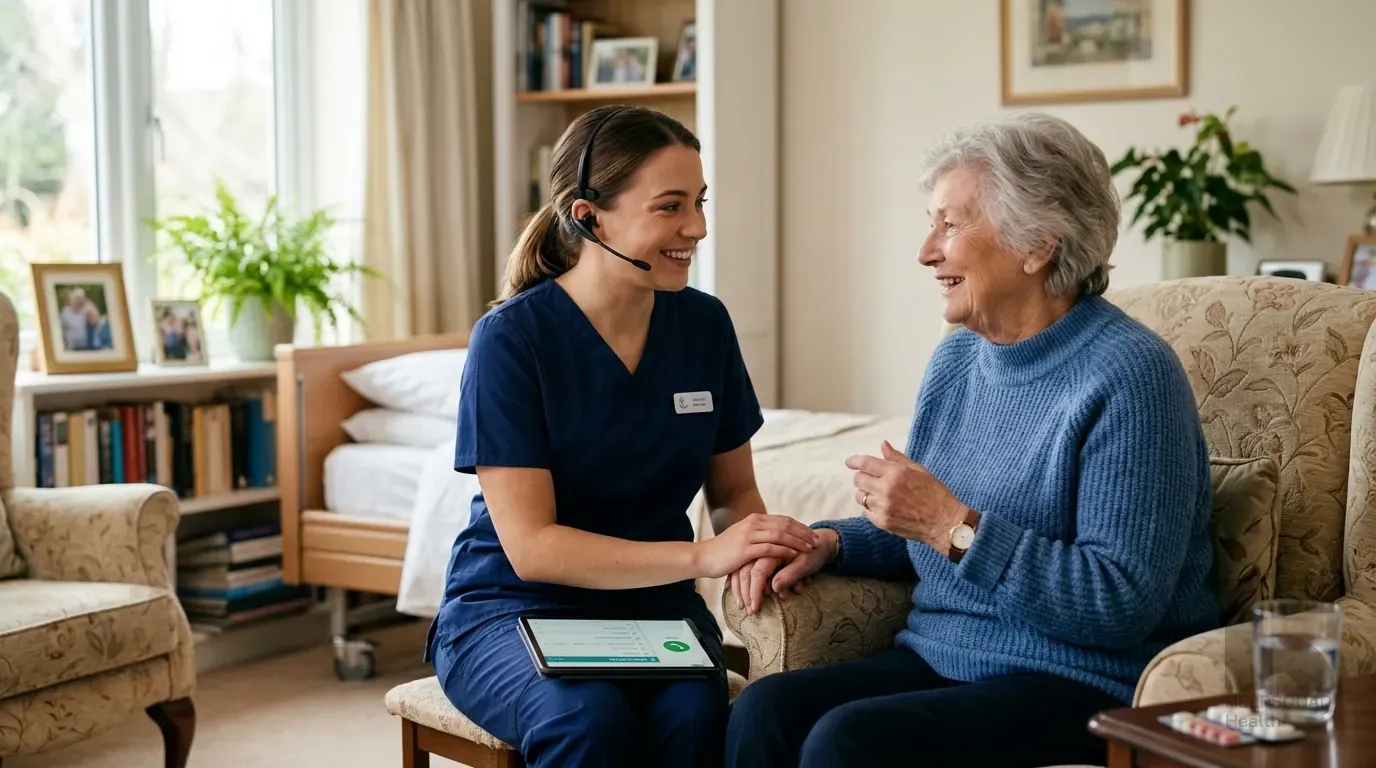
Homecare call centers offer 24/7 support that connects patients, caregivers, and clinicians when immediate help is needed. These services handle call intake, assess urgency, and route concerns appropriately so assistance continues beyond standard business hours.
The Role of Call Centers in Modern Homecare
Most homecare agencies struggle with after-hours responsiveness. Generic answering services lack clinical understanding, leaving voicemails unanswered over weekends while patients await support. A purpose-built homecare call center ensures trained personnel always answer, actually helping rather than simply taking messages.
Bridging the Gap Between Patients and Providers
Patient needs don’t align with office schedules. Trained agents triage clinical concerns, escalate emergencies to on-call nurses, and answer routine questions about visits or billing. This approach protects agencies through documented, defensible interactions while making patients feel genuinely supported.
The Evolution of Remote Patient Support
Healthcare has shifted toward value-based models where patient satisfaction directly influences reimbursement. Modern call centers integrate with electronic health records, pulling patient care plans and medication histories immediately. This creates documented touchpoints clinicians can act upon promptly.
Enhancing Accessibility Through 24/7 Support
Round-the-clock availability represents clinical necessity, not luxury. CMS tracks patient experience through HHCAHPS surveys, where contactability directly affects star ratings and referral volume. Measurable improvements in retention and satisfaction follow consistent availability.
Reducing Emergency Room Visits with Immediate Triage
Emergency department visits cost $1,500 to $3,000 each. Many homecare patients receive unnecessary emergency care when same-day nurse visits would suffice. Trained call center agents distinguish between 911-level emergencies, same-day needs, and reassurance-only situations, preventing costly inappropriate utilization.
Providing Peace of Mind for Family Caregivers
Over 53 million Americans provide informal caregiving support and frequently experience isolation. Direct access to someone familiar with patient history reduces caregiver burnout. Call centers also function as early-warning systems, tracking pattern changes that alert clinical teams to emerging concerns.
Streamlining Care Coordination and Communication
Homecare involves complex coordination among nurses, therapists, pharmacies, and insurers. Centralized call centers function as traffic controllers, consolidating intake and routing into smooth workflows while clinicians focus on direct care.
Efficient Scheduling and Caregiver Dispatch
Caregiver call-outs create scheduling chaos affecting numerous patients. Centralized call centers identify backups and notify families within minutes rather than hours. Agencies using central coordination typically reduce missed visits by approximately 25%, protecting revenue and ensuring service continuity.
Real-Time Updates for Clinical Teams
Clinical teams need current information for sound decision-making. Effective call centers send urgent updates directly to staff devices, allowing nurses to respond immediately rather than discovering concerns days later in paperwork.
Improving Patient Outcomes with Proactive Monitoring
Reactive approaches mean problems already escalated. Proactive outreach identifies concerning changes before they require emergency intervention. Brief five-minute check-in calls prevent small issues from becoming major crises while demonstrating agency investment in patient welfare.
Medication Adherence and Reminders
Non-adherence costs lives and wastes resources annually. Home-based patients struggle managing multiple medications without supervision. Simple check-in calls confirming medication doses and monitoring for adverse reactions represent lifesaving interventions while improving quality metrics.
Post-Discharge Follow-up Calls
Hospital discharge represents vulnerable periods. Strategic calls on days one, three, and seven assess patient confusion, medication possession, and upcoming appointments. These touchpoints catch emerging problems before readmission becomes necessary.
Personalizing the Patient Experience
Homecare involves intimate personal assistance. Phone interactions should reflect equivalent care and compassion. Real people knowing patient names transforms stressful calls into supportive conversations, making patients feel valued rather than treated as service numbers.
Language Support and Cultural Competency
Millions of Americans speak non-English home languages. Communication gaps create safety risks when patients cannot articulate symptoms comfortably. Bilingual agents provide translation plus cultural understanding, recognizing why patients minimize pain, why family involvement matters, and how to build safety and honesty.
Building Trust Through Consistent Interaction
Trust develops gradually through repeated positive interactions. When agents remember details and ask genuinely how patients feel, service transforms into authentic support. People remain with care teams based on relationship quality rather than paperwork. They stay because they feel safe and seen.
The Future of Integrated Homecare Communication
Simple back-and-forth interactions evolve into integrated systems combining voice, text, chat, and health data. Technology flags emerging struggles before patients articulate them, identifying patterns individual conversations miss. However, technology represents only half the equation. The other half remains profoundly human: agents understanding actual homecare operations, recognizing frightened 2 a.m. callers, and responding with presence rather than scripts.
Agencies succeeding understand that responsive, caring operations require both technological infrastructure and deeply human interactions. See our home care specialty support page for how a HelpSquad team handles caregiver coordination and after-hours calls.
Common Questions (FAQ)
Why does a homecare agency need a dedicated call center?
Agencies cannot maintain 24/7 availability independently while patients require continuous support access. Dedicated centers ensure qualified personnel understand homecare operations, available constantly for concerned family members, staffing challenges, or hospital discharge coordination.
How is a homecare call center different from a regular answering service?
Generic services record messages. Purpose-built homecare centers actively assist, triaging clinical concerns, following escalation protocols, coordinating with on-call clinicians, and documenting interactions to ensure nothing falls through administrative cracks.
Can a call center really help reduce unnecessary ER visits?
Absolutely. Emergency department overutilization occurs because patients lack accessible guidance resources. Trained agents assess situations, determining whether emergency care, same-day nursing, or simple reassurance with follow-up suffices.
What does language support actually look like in practice?
Support transcends translation. Bilingual agents understand cultural context behind conversations, recognizing symptom minimization patterns, family centrality, and personal health belief systems, creating safety that enables honest communication.
How do call centers support family caregivers, not just patients?
Caregiver isolation decreases dramatically when contacting someone familiar with loved one histories and genuinely helpful. Centers provide care team windows into home realities between professional visits.
How does a call center help with scheduling and missed visits?
Caregiver absences demand immediate response. Centralized operations view complete schedules in real-time, locate replacements quickly, and notify families before situations escalate, protecting both patients and agency finances.
Will patients actually feel comfortable calling?
Response quality determines comfort levels. Real people answering with genuine care and name recognition fundamentally changes caller experiences. People reach out more readily and communicate honestly when perceiving genuine support.

Outsourcing Home Care Answering Services
Generic answering services cost less per minute and lose you clients. A care-trained team is your intake system, escalation path, and first impression.

Security Services Call Answering Service | Virtual Receptionists
Missed calls in security work can mean lost clients or delayed emergencies. This answering service covers calls, scheduling, CRM updates, and dispatch.
How to Verify a HIPAA Compliant Answering Service: The PACT Model
A HIPAA compliant answering service handles patient calls under a signed BAA, with trained agents and breach-notification protocols. How to verify a vendor with the PACT model.
Let's talk about what your practice actually needs.
A 30-minute call. No sales pressure. We'll tell you honestly whether we're a fit.