Holiday Staffing Gaps in Healthcare: How Outsourcing Keeps Clinics Running
18 Dec 2025 By: Maria Rush
Updated
Holiday staffing gaps in healthcare happen because patient demand rises in December while staff availability drops due to PTO, illness, and burnout. Outsourcing helps clinics stay open and responsive by adding flexible coverage for the areas that break first, like phones, scheduling, intake, and follow-ups. For example, a virtual medical assistant can answer calls after hours and book appointments during peak weeks, preventing missed patients and January backlogs.
Why Holiday Staffing Breaks Down
Patient Volume Does Not Slow Down
A lot of people assume December will be quieter. It usually is not.
Holiday staffing is not about riding out a slow season. It is about handling more patients with fewer people. Winter illnesses alone can overwhelm schedules. The CDC reports that flu, RSV, and COVID cases rise sharply between December and February, fueling additional demand on hospitals. Add year-end appointments and travel-related injuries, and clinics often find themselves stretched thin right when coverage matters most.
Time Off Piles Up
Absences are not a surprise during the holidays.
People get sick. Others take PTO they scheduled months ago. Senior staff often lock in holiday time early. In fact, nurse call-outs rise by up to 30% during the Thanksgiving-to-Christmas period. By the time December arrives, managers are left juggling schedules with very little flexibility.
This is when staffing gaps stop being theoretical and start affecting daily operations.
Burnout Is Already There
By the end of the year, many healthcare workers are already exhausted.
Stress levels rise during the holidays. Tolerance for overtime drops. Last-minute call-offs become more common. No one is doing anything wrong. They are just tired. A survey by the American Psychiatric Association found 54% of healthcare professionals say their stress levels increase during the holiday season.
Patients feel it when appointments are delayed or rescheduled because a provider is out.
Communication Suffers First
Short staffing almost always shows up in communication.
Phones ring longer. Messages pile up. Front desks run with skeleton crews. Nurse-to-patient ratios tighten. Small mistakes happen.
Patient satisfaction drops, not because teams do not care, but because there are not enough hands.
What Happens When Holiday Staffing Is Ignored

When healthcare staffing gaps are not addressed, the damage carries into the new year.
Appointments get pushed into January. Backlogs grow. Clinics miss calls and lose revenue. Patients get frustrated by slow responses or no follow-up.
Staff come back from the holidays more burned out than refreshed. January becomes a cleanup instead of a reset.
A few weeks of poor holiday staffing can undo months of progress.
How Outsourcing Helps With Holiday Staffing
This part is simpler than most people expect. Outsourcing works during the holidays because it takes pressure off the exact places that break first.
- It adds capacity without overworking your team. When December hits, clinics are rarely short on effort. They are short on capacity. Outsourcing adds coverage instead of asking the same people to work longer hours.
- It creates built-in backup. Instead of hoping no one else calls in sick, outsourcing gives you support you can rely on when schedules change at the last minute.
- It protects patient communication. Phones keep getting answered. Messages keep moving. Appointments do not stall just because the front desk is running lean.
- It works like call center holiday staffing, but for healthcare. Extra help comes in during peak weeks. When volume drops, support scales back. No long-term commitments. No rushed hiring.
- It supports patient care, not just phones. Appointments get scheduled. Documentation gets done. Follow-ups do not fall through the cracks.
- It keeps January from becoming cleanup mode. Work continues during the holidays, so teams do not return to a backlog of unfinished tasks.
That is the real value of outsourcing during the holidays.
Per Diem and Temporary Clinical Support
Per diem nurses and temporary clinicians help cover clinical gaps when volume spikes or multiple team members are out.
Because these roles are temporary, clinics avoid long-term payroll commitments. Care continues without forcing full-time staff into endless extra shifts.
This protects morale. People get time off. They come back in January in better shape.
Virtual Medical Assistants and Receptionists
Most holiday staffing problems start with communication.
This is where contact center outsourcing approaches make sense for healthcare.
Phones go unanswered. Scheduling slows. Follow-ups fall behind.
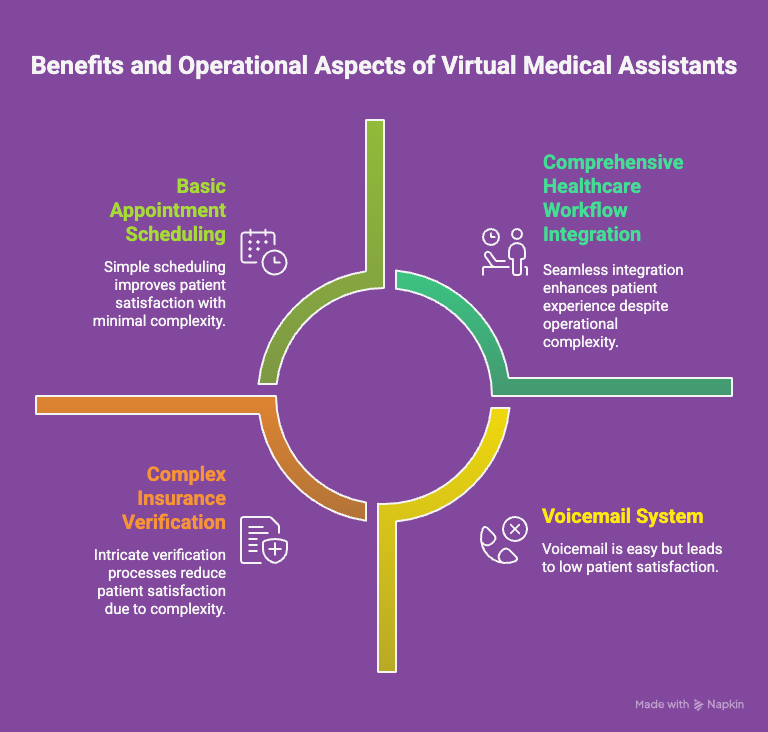
Virtual medical assistants and receptionists handle appointment scheduling, reminders, intake coordination, and patient questions. Calls are answered after hours, on weekends, and during holidays. Patients reach a real person instead of voicemail.
Operationally, this mirrors call center holiday staffing or contact center holiday staffing, but with teams trained for healthcare workflows, patient communication, and compliance.
Virtual teams also handle insurance verification, documentation, and basic admin work. That frees nurses and providers to focus on care instead of phones.
Because these teams can scale, clinics get reliable holiday staffing coverage without overtime, holiday pay, or rushed onboarding.
Preventing the January Backlog
Outsourced support keeps work moving even when offices slow down.
Messages are documented. Records stay current. Tasks do not pile up.
That is how clinics avoid starting January buried in unfinished work.
Strategic Planning for Holiday Staffing
The clinics that handle holiday staffing best do not wing it.
They review last year’s data. They line up per diem support early. They set PTO expectations. They cross-train staff. They bring in virtual assistants before December, so teams are trained before volume spikes.
That is what strategic planning for holiday staffing looks like in practice.
Conclusion
Holiday staffing gaps are not a failure. They are predictable. Patients still need care. Staff still deserve time off.
With the right mix of temporary clinical support and virtual medical assistants, clinics stay responsive.
Call center holiday staffing models help keep communication moving. Teams get real time off. Patients stay supported. Care does not slip.
If holiday staffing is already a concern, it may be time to talk to us.
FAQs
What is the main purpose of outsourcing?
The main purpose of outsourcing is to keep operations running smoothly when internal resources are limited. In healthcare, outsourcing helps clinics maintain coverage, manage workload spikes, and avoid burnout without permanently increasing staff. It allows practices to stay responsive during busy periods like the holidays while controlling costs and protecting care quality.
What does a healthcare virtual assistant do?
A healthcare virtual assistant supports administrative and communication tasks so clinical staff can focus on patient care. This typically includes appointment scheduling, answering patient calls, handling follow-ups, verifying insurance, managing documentation, and supporting intake processes. During peak seasons, virtual assistants help prevent missed calls, delays, and backlogs.
What is outsourcing virtual assistant services?
Outsourcing virtual assistant services means partnering with a third party to provide trained remote staff instead of hiring in-house employees. For healthcare organizations, this offers flexible support that can scale up during high-demand periods, such as holiday staffing shortages, without long-term payroll commitments or rushed hiring.
How does outsourcing help with holiday staffing in healthcare?
Outsourcing helps fill gaps when patient demand increases and staff availability drops. Temporary clinical support and virtual assistants ensure phones are answered, appointments are scheduled, and administrative work continues even when teams are on PTO. This keeps patients supported and prevents January backlogs caused by holiday slowdowns.
How was the information in this article developed?
This article is based on common staffing patterns seen across U.S. healthcare organizations during the holiday season, including increased patient volume, higher absenteeism, and operational strain. It reflects real-world challenges faced by clinics, hospitals, and specialty practices, as well as established staffing and outsourcing approaches used to manage predictable holiday staffing gaps.

Maria, a BPO industry professional for a decade, transitioned to being a virtual assistant during the pandemic. Throughout her career, she has held various positions including Marketing Manager, Executive Assistant, Talent Acquisition Specialist, and Project Manager. Currently, she is a member of the marketing team as a Content Writer for HelpSquad. You may contact Maria on LinkedIn.