The 2026 Guide to AI in Medical Coding: Accuracy, Compliance, and the Human-in-the-Loop
31 Mar 2026 By: Vlade Legaspi
Updated
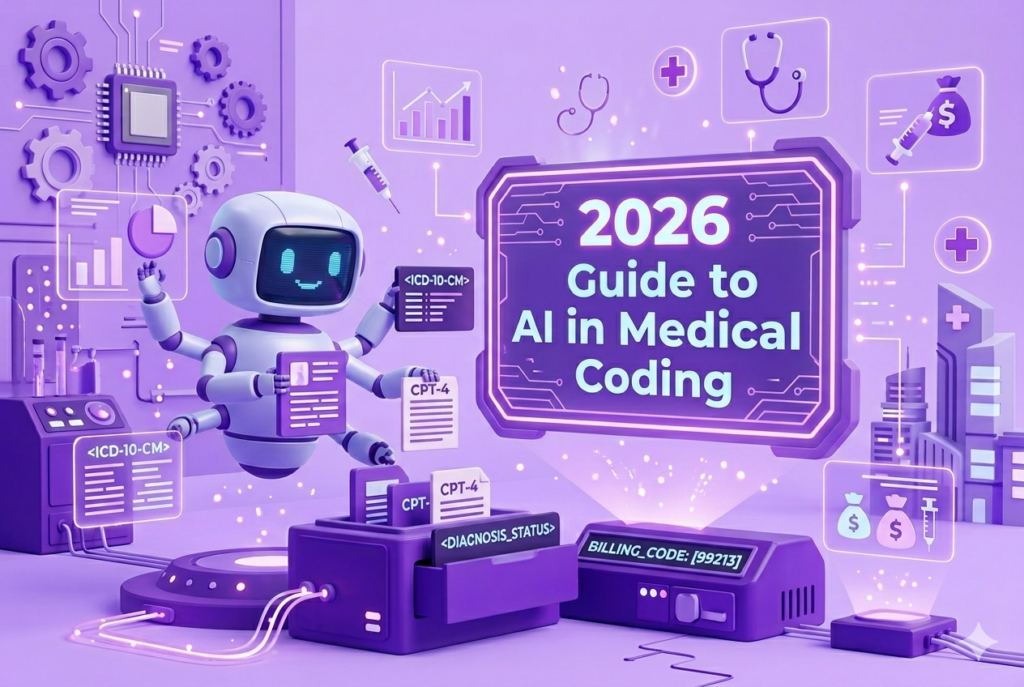
AI in medical coding uses Natural Language Processing (NLP) and Machine Learning (ML) to analyze clinical notes and automatically assign standardized ICD-10, ICD-11, and CPT codes. In 2026, AI-driven systems are proven to reduce coding time by 40% and increase accuracy to 95%+, significantly lowering claim denials and accelerating the reimbursement cycle for healthcare providers.
The era of manual line-by-line coding is ending. As we enter 2026, the American Medical Association (AMA) has officially integrated AI-specific descriptors into the CPT code set, signaling a permanent shift in how we process patient data. For medical practices, the challenge is no longer just “speed”, it’s “precision.” In a landscape where medical billing errors cost the US economy over $210 billion annually, ai in medical coding isn’t just a luxury; it’s a survival tool for your Revenue Cycle Management (RCM).
1. The 2026 State of the Union: Why Now?
The healthcare landscape of 2026 is vastly different from the start of the decade. With the global market for ai in medical coding reaching $3.56 billion this year, we have moved past the “experimental” phase. The primary driver has been the complexity of the ICD-11 rollout and the increasing administrative burden on clinicians.
Practices that have resisted automation are finding themselves buried under a mountain of documentation. Conversely, early adopters of ai in medical coding are seeing unprecedented fluidity in their revenue cycles. The shift isn’t just about replacing paper with software; it’s about a fundamental transformation of the coder’s role from a data entry clerk to a high-level forensic auditor.
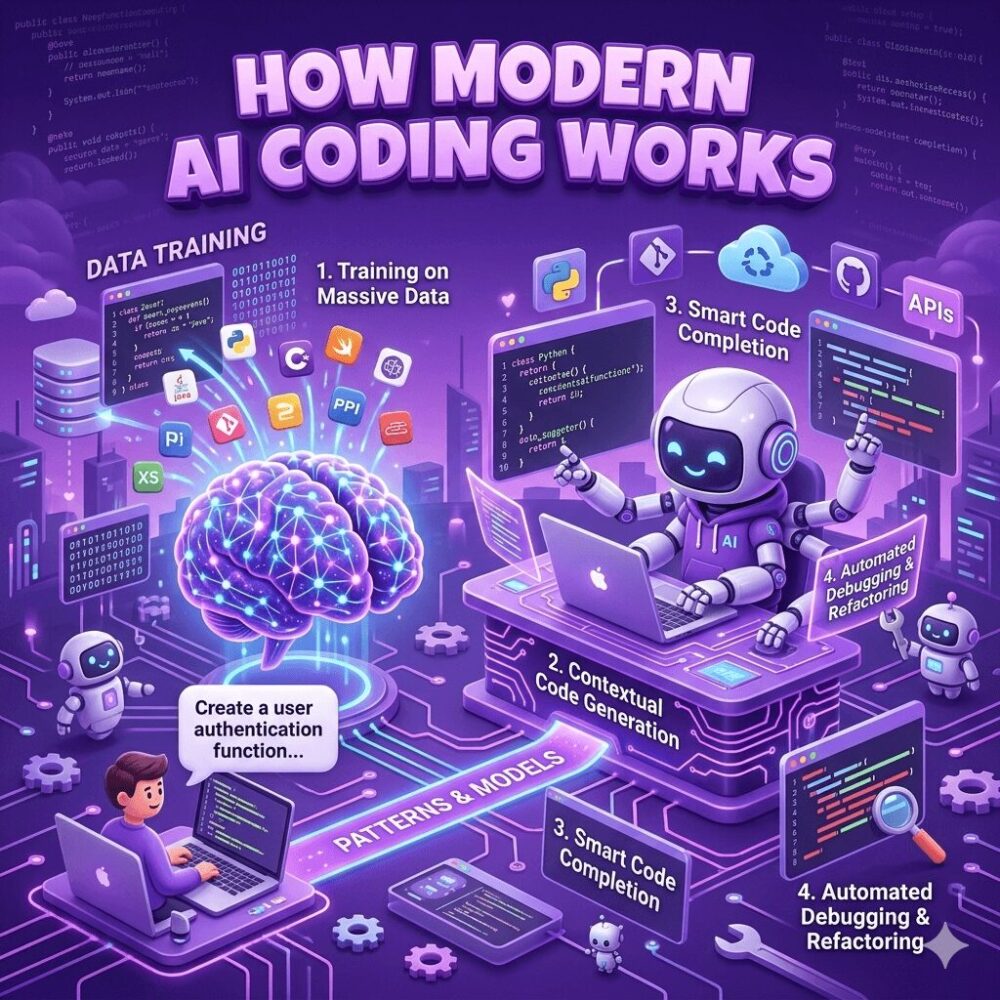
2. How Modern AI Coding Works: Beyond Simple Algorithms
To understand the impact of ai in medical coding, one must look under the hood at the three pillars of the technology:
Natural Language Processing (NLP) & Generative AI
Today’s generative AI for clinical documentation doesn’t just look for keywords. It understands context. If a physician mentions “shortness of breath” alongside “chronic tobacco use” and “decreased FEV1,” the AI recognizes the clinical picture of COPD even if the doctor hasn’t explicitly typed the acronym. Advanced NLP can now “read” handwritten scans or dictated notes with over 90% accuracy, bridging the gap between unstructured data and structured codes.
Machine Learning (ML) and Pattern Recognition
Machine learning allows the system to learn from previous denials. If a specific payer consistently rejects a combination of codes, the AI flags it before submission. This predictive capability is a cornerstone of medical coding error reduction, ensuring that claims are “clean” the first time they are sent.
Autonomous Medical Coding 2026 and CPT Assignment
We have reached a stage where automated CPT code assignment is standard for routine procedures. Evaluation and Management (E/M) leveling, which used to take minutes of manual calculation, is now performed in milliseconds, ensuring the practice is reimbursed for the actual complexity of the patient encounter without over-coding or under-coding.
3. Navigating the ICD-11 Transition with AI
One of the greatest hurdles for 2026 is the migration to ICD-11. With over 17,000 unique codes and a structure that is fundamentally different from ICD-10, manual training for staff is both expensive and time-consuming.
AI-assisted ICD-11 coding acts as a real-time translator. As coders work, the AI suggests the most relevant ICD-11 codes based on legacy ICD-10 data and current clinical notes. This minimizes the productivity “dip” typically seen during major coding transitions. By utilizing ai in medical coding, facilities are reducing the migration learning curve by an estimated 60%.
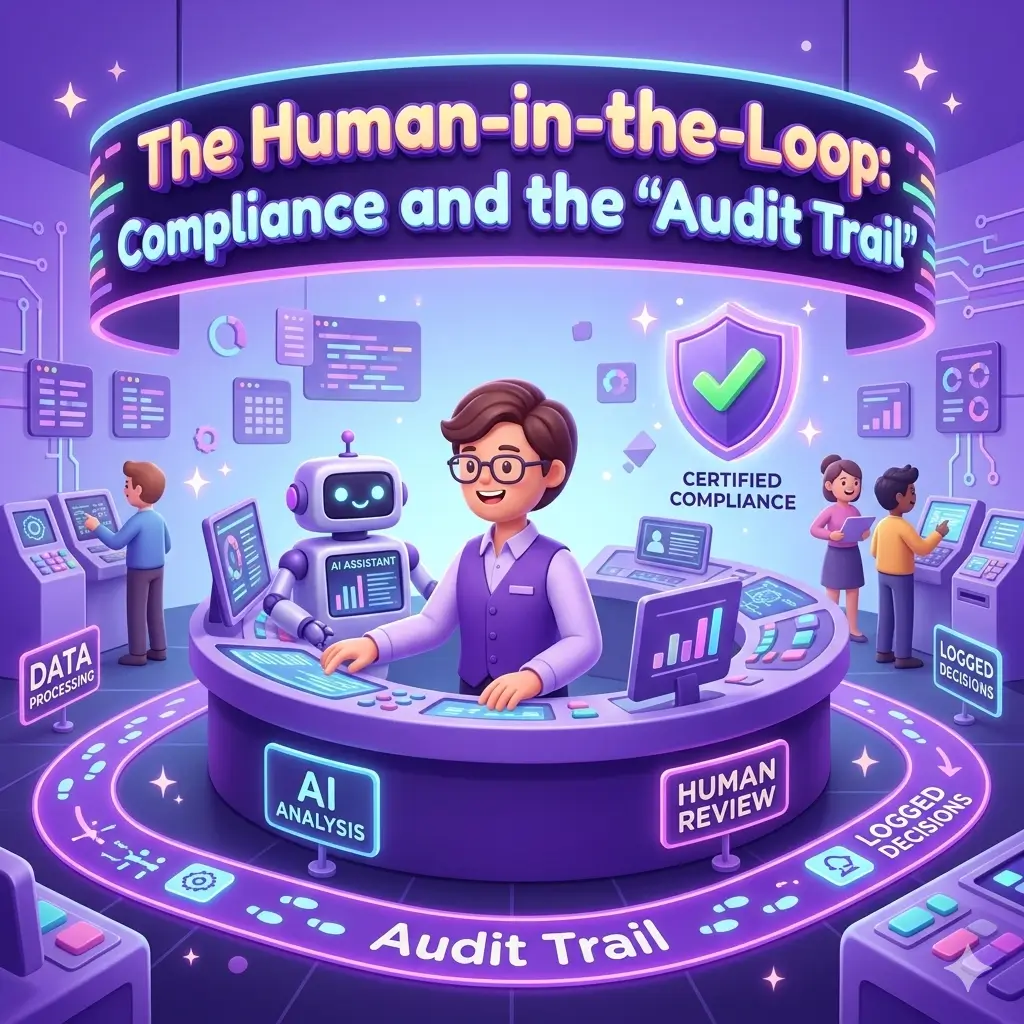
4. The Human-in-the-Loop: Compliance and the “Audit Trail”
A common mistake in current RCM discourse is the belief that AI can, or should, run entirely on its own. While 100% autonomous medical coding 2026 is technically possible for simple claims, it carries significant compliance risks.
Maintaining a CMS-Ready Audit Trail
The Centers for Medicare & Medicaid Services (CMS) requires transparency. If an auditor asks why a specific high-level code was assigned, “the AI did it” is not a valid legal defense. This is why the “Human-in-the-Loop” model is essential.
In this model, the ai in medical coding performs the heavy lifting, but a human expert, acting as an AI Auditor, verifies the output. This creates a digital breadcrumb trail showing:
- The raw clinical evidence extracted by the AI.
- The logic used to assign the code.
- The final verification by a certified human coder.
This hybrid approach has helped hospitals reduce claim rejection rates by 25% compared to teams using purely manual processes.
5. Scaling for the Small Practice: AI for Boutique Clinics
Much of the industry talk focuses on “Mega-Hospitals,” but ai in medical coding is perhaps even more vital for boutique clinics. Small practices often lack the budget for a full-time, high-level coding department.
The cost of ai coding software has stabilized in 2026, making it accessible as a SaaS (Software as a Service) model. For a small clinic, the ROI is immediate. Instead of hiring three coders, a clinic can employ one expert auditor paired with an AI system. This allows the practice to handle higher patient volumes without increasing administrative overhead, realizing the true RCM automation benefits.
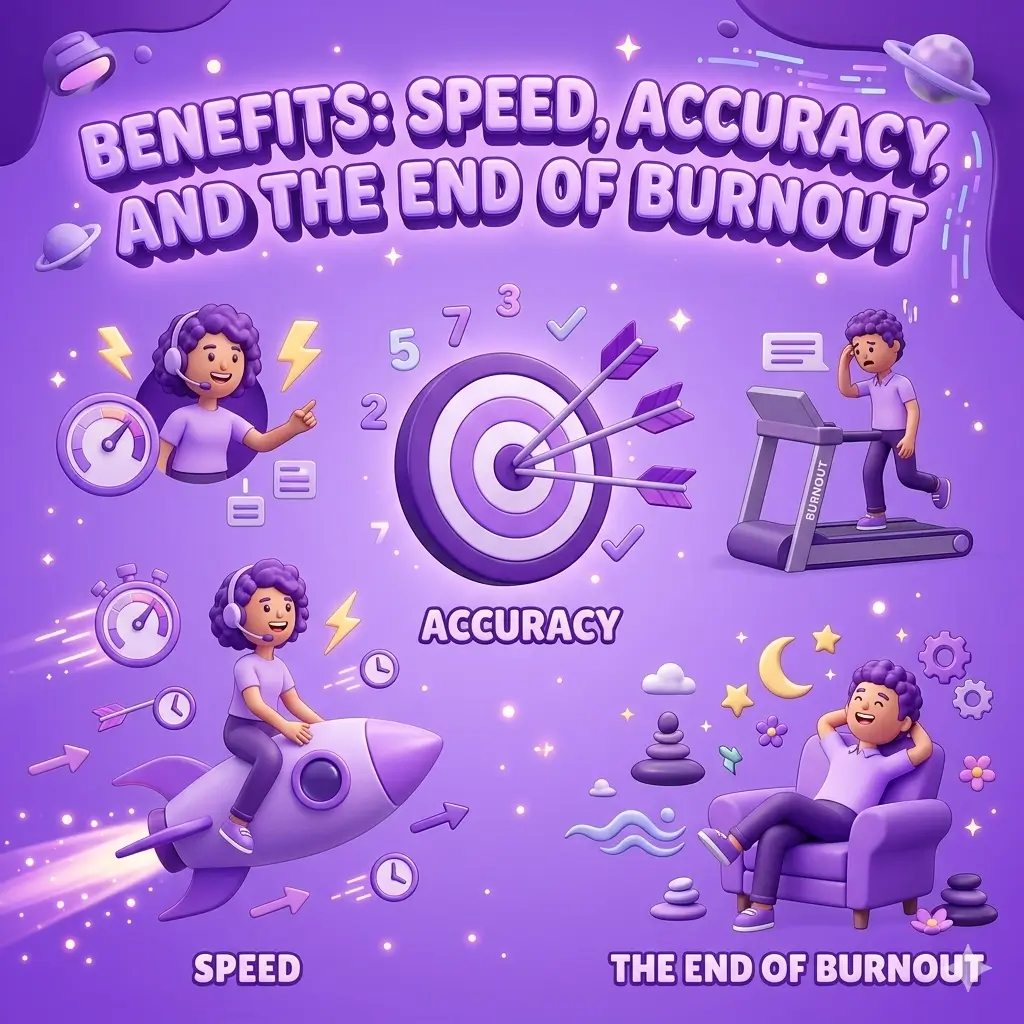
6. Benefits: Speed, Accuracy, and the End of Burnout
The integration of ai in medical coding provides three measurable wins:
- Revenue Velocity: Predictive AI models in RCM are saving hospitals an average of $1.2 million annually by shortening the “days in A/R” (Accounts Receivable).
- Accuracy & Compliance: AI doesn’t get tired. It doesn’t overlook a secondary diagnosis code at 4:45 PM on a Friday. This consistency is the primary driver of medical coding error reduction.
- Staff Retention: 68% of medical coders now report higher job satisfaction. By removing the “grunt work” of data entry, ai in medical coding allows professionals to focus on complex cases that require clinical judgment.
7. Implementation Checklist: 5 Steps to Integrate AI
If you are ready to modernize, follow this checklist to ensure a smooth transition:
- Evaluate Your EHR Compatibility: Ensure the AI tool integrates via API with your existing Electronic Health Record.
- Establish an Audit Protocol: Define which high-dollar or high-risk claims must always be reviewed by a human.
- Prioritize HIPAA Compliance: Confirm the platform uses “Enterprise-grade” encryption and does not train its public models on your Protected Health Information (PHI).
- Train Your “AI Auditors”: Transition your best coders into oversight roles. Focus their training on identifying AI “hallucinations” or context errors.
- Measure and Adjust: Track your “Clean Claim Rate” before and after implementing ai in medical coding to calculate your exact ROI.

Trending Now
AI is transforming medical billing and coding by automating repetitive tasks. It reduces human error and speeds up insurance claims. These tools identify billing mistakes and suggest accurate codes in real-time. This efficiency lowers operational costs and prevents staff burnout. However, AI cannot replace human judgment or critical thinking. Professionals remain essential for oversight, ethics, and data privacy. Human expertise combined with AI is the future of healthcare administration.
Conclusion: Future-Proofing Your Revenue
As we look toward the remainder of 2026 and beyond, the gap between AI-enabled practices and manual ones will only widen. The precision offered by ai in medical coding is no longer optional in a value-based care environment. By adopting a hybrid model, where powerful algorithms are guided by human expertise, you ensure that your practice remains profitable, compliant, and focused on what matters most: patient care.
The future of RCM isn’t about choosing between humans and machines; it’s about how effectively you can marry the two. Leveraging ai in medical coding is the first step toward a bulletproof financial future for your healthcare organization.
Internal Linking & Resources
- Learn More: Navigating 2026 CPT Code Changes
- Deep Dive: The Role of Human Oversight in Healthcare AI
- Our Service: Medical Billing Virtual Assistants: The HelpSquad Advantage
FAQ
Is AI medical coding HIPAA compliant?
Yes, provided the platform uses “Enterprise-grade” encryption and doesn’t train public models on Protected Health Information (PHI). Always verify that your provider signs a Business Associate Agreement (BAA).
Will AI replace medical coders?
No. The role of ai in medical coding is to shift the workforce from “entry” to “auditing and complex case management.” Humans are still required for nuance, ethics, and payer negotiations.
How does AI handle “unstructured” doctor’s notes?
Advanced NLP (Natural Language Processing) used in ai in medical coding can now contextually “read” handwritten scans or dictated notes with 90%+ accuracy, converting them into actionable data for billing.

Vlade Legaspi has spent over 6 years as an executive assistant. He loves getting creative with design, video editing, and writing. At HelpSquad, he’s part of the marketing team, helping the business grow and connect with more people. You can reach out to him on LinkedIn.