A Complete Guide to Outsourcing Customer Service
17 Jul 2023 By: Michael Kansky
Updated
In the case of service quality, especially during customer issues with your products, maintenance is a major factor to strong customer relationships. Poor customer service can finish your success even with ISO 27001 certification and strong marketing. Good customer service is a determinant for customer satisfaction and loyalty.

Key Takeaways
Customer Service Outsourcing
Outsourcing, in general, is becoming more popular today because of how digitalization has broken cultural barriers, illustrating both the pros and cons of outsourcing, including for customer service companies. Many businesses now use the internet for operations, leading to considering outsourcing for top customer service support. Offshore outsourcing is a strategic approach that comes with its pros and cons, especially in the realm of customer service where the impact on customer retention is significant. In the US,66% of companies outsource at least one department. (We’ll talk about it later!)
What does outsourcing really mean, especially in customer service, and how can it contribute to addressing great customer needs?

Outsourcing means hiring a third-party organization to handle tasks, such as managing a contact center or outsourced call center services. Basically, you employ them to do the work for you—for this instance, customer service. And as you may already know, this setup has benefits and setbacks, highlighting the need to carefully weigh the pros and cons of outsourcing customer service. Below are a few.
What are the Advantages of Outsourcing Customer Service?

Access to Highly Trained Individuals
Outsourcing companies have their own set of specialized training to ensure that employees, particularly customer service agents, have the high skill sets needed for any job. And sometimes, they’re even better than local workers. You can add skilled individuals just by outsourcing your customer service, meeting the demand for great customer service and reducing the overall cost of outsourcing.
Cost-Effective
One major benefit of outsourcing is its cost-efficiency, which aligns with the cost of outsourcing and utilizing great customer service techniques. You won’t need to pay a premium for the same expertise your local workers possess and have the same if not better customer service tickets resolution rates.
Time-Zone Advantages
Due to time differences in other countries, you can make your customer service available 24/7 through live chat options to respond to customer inquiries promptly. As a result, your customers can reach you anytime they have questions or other concerns. This will result in higher customer satisfaction, given that you address any problems as quickly as possible.
Scalability
Outsourcing customer service can also help you scale faster because there’ll be no need for increasing the size of your in-house customer service team only to accommodate growth, thereby ensuring the capacity to provide customer support at scale. You know how expensive it can be to grow a team with local workers. Hence, outsourcing can leave you with more resources for your growth strategy and improve customer loyalty.
What are the Disadvantages of Outsourcing Customer Service?
Language Barrier
When outsourcing—especially in Asian countries, it’s given that English may not be their first language. This causes some miscommunication that results in unsatisfied customers, highlighting the need for companies to consider outsourcing to providers that ensure great customer service.
Lack of Control
Another disadvantage of outsourcing, considering that you’re handing the task to the customer service provider, is that you’ll have less control over their agents and operations and therefore less influence on KPIs. Hence, it would be best to keep in touch and regularly hold meetings for updates and other concerns.
Data security concerns
Data security is another issue that comes up with outsourcing, more so if it is through the customer service outsourcing companies that are granted access to sensitive data. Part of customer service is gathering and controlling customer information, and customer relationship management systems can be an excellent tool for this. However, by outsourcing this operation, you are also allowing the third party agency to access sensitive information. In case the agency does not have a very strong security strategy, this could be a risk of a large scale, especially for customer service firms.
Why Outsource?
Weighing the pros and cons, customer service outsourcing can be a game-changer. Customer support is complex, and working with the right outsourcing partner can improve retention and help you keep up with changing customer needs. Whether it’s live chat, calls, email support, or telemarketing, you need skilled agents, and today’s digital landscape makes it easier to access top talent worldwide. Below are practical tips to help you outsource in a way that supports your small business, aligns with your products and services, and delivers a great customer experience.
10 Best Practices to Follow When Outsourcing

Establish Clear Goals
Setting clear goals is key to successful outsourcing. Start by asking why you need to outsource and how it will improve support and meet customer needs. Are you dealing with more inquiries than your team can handle, meaning you need a specialized call center? Or do you need to free up time to focus on other parts of the business instead of managing inbound and outbound calls? Answering these questions helps you define the purpose and goals of outsourcing.
Develop a Solid Customer Service Framework
Customer service (CS) is complex and essential for maintaining great customer experience and loyalty. It’s not only answering queries. Your CS teams handle specific departments, like billing, marketing, and general inquiries. Hence, if the reason for your outsourcing focuses on the general inquiries department, you must create a comprehensive set of operational procedures for that.
It should include a detailed breakdown of customer service costs, processes, roles, and responsibilities to ensure excellent customer service. The ultimate goal of creating a solid customer service framework is to ensure that customers receive consistent, high-quality customer service experiences when they interact with people you hire from the other side of the world.
Research
Choose the Right Customer Service Provider
Set Expectations
It’s important to set expectations with the outsourcing partner you connect with to ensure success. Whatever the focus of your customer service—may it be to cut down the cost or lower response time, make sure to communicate it with them clearly. Then ask for their input on how they’re going to help you meet those goals.
Take Control of Their Training
Only you know how your business operates. You must then take full control of the training of your outsource team. Ensure they understand everything about your company, their responsibilities, and the technical aspects of their job.
Be Inclusive
With all these going on, you have to make sure to be inclusive in building a diverse customer support team, considering the dynamics of business process outsourcing. Since you’re hiring from various cultures, it’s very important to acknowledge and celebrate that, which is a significant aspect of business process outsourcing and a pros of outsourcing. Beyond everything, always show respect. Encourage feedback and open communication to know how you can improve the processes better to help them be at their best.
Communicate Regularly
It doesn’t end with keeping an open-door policy for concerns but extends to actively engaging with customer queries and feedback. You also have to communicate with your providers regularly to check up on the outsourced support team, ensuring their strategies align with optimal customer retention practices. Get to know the issues that the customer service reps are experiencing. That way, you’ll be able to resolve everything properly.
Measure Customer Service Performance
In those discussions, take a look at how the customer service team works. Measure their performance through various metrics like customer surveys, average handling time, resolved concerns, dropped calls, and more. Doing this can help you understand better about the situation.
Offer Incentives
You may also consider giving out incentives to those reaching or exceeding your metrics as a token of appreciation. It will give them the motivation to work better.
Tracking Success
It’s very important to monitor the outcomes of outsourcing customer service to see how your business should move forward with the setup. Use analytics and see whether they reach your business goals or not and if the current strategies are working. Take a close look at the number of positive/negative feedback, conversions, wait times, return (win-back) customers, and overall customer loyalty. These will help you to come up with more effective strategies. Or better yet, understand whether the whole outsourcing idea works on your business.
Trending now
Conclusion
Outsourcing has its pros and cons. By grasping these aspects and applying best practices, your business can foster enduring customer relationships and achieve the growth you desire.
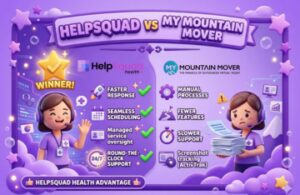
Do you want to elevate your customer support to a new height? HelpSquad should be on your list; the partner who always takes care of communication and patient satisfaction. The highly trained and certified virtual assistants of HelpSquad, who speak English and Spanish, are available round the clock to assist you. Care and professionalism are the hallmarks of every patient interaction through HelpSquad. In addition, our pricing is so convenient that it starts just from $8.50 hourly. Ready to experience the HelpSquad difference? Start your trial today and let our dedicated team support your practice!
What does it mean to outsource customer service?
What are the reasons for customer service outsourcing by companies?
Outsourcing customer service may have many advantages, but what are the main ones?
Is there any downside or risk associated with outsourcing customer service?
Is it true that outsourcing customer service is always a cheaper solution compared to in-house service?

Michael Kansky, Founder of LiveHelpNow and HelpSquad, has leveraged his 20 years of industry experience and innovative support strategies to revolutionize customer service approaches, making LiveHelpNow a leading customer service software provider, and establishing HelpSquad as a bridge between businesses and customer needs. You may contact Michael on LinkedIn: https://www.linkedin.com/in/mkansky/