 27 Sep
 Financial Service
Top Benefits of Revenue Cycle Management Software for Healthcare Providers
Today’s healthcare system faces tough financial challenges. Revenue Cycle Management Software helps cut billing errors and speed up payments. It boosts cash flow and eases admin tasks. As rules and payer demands shift, providers need smart tools to stay efficient. This software lets them focus more on care and less on paperwork. It also lifts … Continued
 25 Sep
 Financial Service
Effective Denial Management Strategies in Revenue Cycle Management
In healthcare finance, denial management plays a key role in revenue cycle management. As costs rise, providers must cut waste and boost cash flow. Using strong denial management strategies in revenue cycle management helps avoid losses, raise collections, and support stable growth. This article shares top denial management strategies in revenue cycle management. It gives … Continued
 24 Sep
 Healthcare
Virtual Assistant for Therapists: Streamline Your Practice Efficiently
Do therapists have assistant? Therapists today must care deeply while juggling heavy admin work. Managing sessions, billing, and schedules can drain focus from helping clients. A virtual assistant for therapists helps ease that load. They streamline tasks, cuts stress, and boosts the client experience. Why Therapists Need Virtual Assistants The mental health field is growing … Continued
 24 Sep
 Healthcare
Regulation, Privacy & Safety: Ethics of AI Tools in Behavioral Health Outsourcing
Ethical AI use in behavioral health outsourcing means choosing and managing AI tools in ways that protect privacy, follow regulations, and prevent harm to vulnerable patients. Providers must ensure HIPAA-compliant data handling, clear consent, and transparency that patients are interacting with AI. For example, an intake chatbot should disclose it’s not human, avoid giving clinical … Continued
 23 Sep
 Healthcare
Top Healthcare Revenue Cycle Challenges and How to Overcome Them
Healthcare revenue cycle challenges happen when billing, coding, claims, and collections break down at any point from scheduling to final payment. These issues often show up as claim denials, slow reimbursements, patient balance delays, and reporting gaps caused by outdated systems or changing payer rules. For example, one missing prior authorization can trigger a denial … Continued
 22 Sep
 Healthcare
How to Use Telehealth for Better Patient Care
Telehealth has changed how care is given, opening new ways to treat patients. Tech growth and COVID-19 made it key in today’s medicine, not just a trend. This article shows how to use telehealth to boost care, reach more people, and cut delays in treatment. Understanding How to Use Telehealth: Beyond Virtual Visits Telehealth offers … Continued
 19 Sep
 Customer Service
Optimizing Homecare Scheduling: Tips for Streamlined Operations
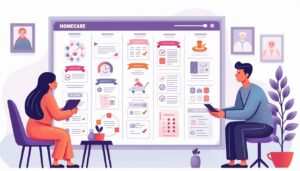
Homecare scheduling is the process of assigning the right caregiver to the right client at the right time while balancing skills, travel time, labor rules, and last-minute changes. When scheduling is manual or inconsistent, agencies face missed visits, caregiver burnout, and frustrated families. For example, a schedule that ignores drive time can push a caregiver … Continued
 19 Sep
 Healthcare
How to Optimize Revenue Cycle Management for Maximum Efficiency
In today’s fast-changing healthcare world, to optimize revenue cycle management is vital. Providers face high costs, tough billing rules, and new patient needs. Strong RCM keeps finances steady, lifts patient trust, and meets rules. This guide shares clear steps and tested methods to boost revenue cycle management, so healthcare groups can grow in a tough … Continued
 18 Sep
 Healthcare
Home Care Solutions: What to Outsource and What to Keep In-House
Running a home care agency isn’t simple. If you’re in the business, you’ve probably felt the pressure: staff shortages, rising costs, and families who expect answers right away. It can feel overwhelming. That’s where home care solutions come in. Handing off the right tasks while keeping others close to home can ease the load, give … Continued
 17 Sep
 Customer Service
Outsourcing Home Care Answering Services
Outsourcing home care answering services means hiring a trained third-party team to answer patient and family calls for your agency, often 24/7. It helps reduce staffing and overhead costs, prevents missed after-hours calls, and gives callers faster, more consistent support. For example, when a family member calls at 2 a.m. about a medication reaction, a … Continued