Healthcare
 27 Aug
 Virtual Assistants
How to Effectively Utilize Virtual Medical Assistant in Healthcare
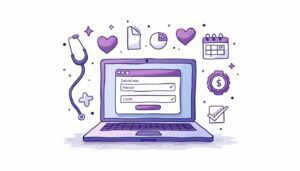
To effectively utilize a virtual medical assistant in healthcare, start by assigning it specific routine tasks and connecting it to your daily workflows in a secure, HIPAA-compliant way. Use it for things like appointment scheduling, symptom intake, medication reminders, and basic patient questions, while clinicians handle diagnosis and treatment. For example, a VMA can send … Continued
 26 Aug
 Healthcare
How to Easily Book a Primary Care Online Appointment
In today’s busy world, ease matters, especially in healthcare. Booking a primary care online appointment saves time and skips long calls or crowded waiting rooms. With telemedicine growing fast, seeing your doctor now takes just a few clicks. This simple guide shows how to book a primary care online appointment. Learn the benefits, follow step-by-step … Continued
 22 Aug
 Healthcare
Why Telehealth GLP‑1 Providers Need HIPAA‑Compliant Patient Support
Telehealth glp-1 is a digital healthcare model providing remote access to weight loss systems via HIPAA-compliant telehealth solutions, allowing patients to receive me Frequently Asked Questions
 22 Aug
 AI
AI Remote Patient Monitoring: Revolutionizing Healthcare from Afar
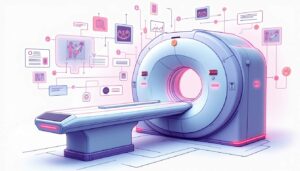
Healthcare has undergone rapid transformation during the recent years because of new technological advancements. AI Remote Patient Monitoring represents a major transformation which unites artificial intelligence with real-time health monitoring capabilities. The new tool enables medical professionals to monitor patients from locations beyond traditional clinics. The system addresses increasing healthcare requirements because chronic disease prevalence … Continued
 21 Aug
 AI
The Role of AI in Medical Imaging: Revolutionizing Healthcare
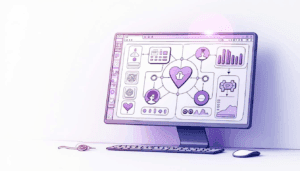
AI is revolutionizing medical imaging by helping doctors read scans faster and more accurately, so diseases can be found and treated earlier. It uses machine learning to spot patterns in X-rays, CT scans, MRIs, and mammograms, and it can also improve image quality and prioritize urgent cases. For example, an AI tool can flag a … Continued
 20 Aug
 Healthcare
Remote Patient Care Coordinator: Roles, Skills, and Best Practices
A remote patient care coordinator is a healthcare professional who manages a patient’s medical journey from a distance to ensure care remains steady and connected. These specialists bridge the gap between patients and doctors by monitoring health data from home devices, scheduling virtual visits, and explaining complex treatment plans. For example, a coordinator might review … Continued
 19 Aug
 Healthcare
How Medical Call Center Outsourcing Improves Patient Communication
A medical call center isn’t just a phone line. It’s the connection that keeps patients and providers on the same page. I want you to think about the last time you called your doctor’s office. Did you sit on hold? Did you have to repeat yourself to different people? It’s not a great feeling, right? … Continued
 19 Aug
 Tech Support
SEO for Medical Professionals: A Practical Guide
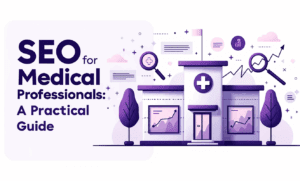
SEO for medical professionals is the process of making your clinic or practice easier to find in Google when patients search for symptoms, services, or a doctor near them. It includes local SEO, clear service pages, fast mobile performance, and trustworthy medical content. For example, if someone searches “dermatologist near me,” strong SEO helps your … Continued
 18 Aug
 Healthcare
Medical Answering Services: Why Your Clinic Should Outsource
Medical answering services are external support teams that handle a clinic’s incoming calls, ensuring that every patient speaks to a real person, even after office hours. For example, if a patient calls at 2:00 AM with a high fever, the answering service can immediately patch them through to the physician on duty. This continuous coverage … Continued
 16 Aug
 AI
Understanding the Cost of AI in Healthcare
The cost of AI in healthcare includes far more than a license or cloud subscription. Healthcare teams often pay for data cleanup and labeling, model development and validation, compute infrastructure, integration with EHR workflows, compliance and legal review, staff training, and ongoing monitoring to prevent performance drift. For example, a hospital may spend heavily on … Continued